
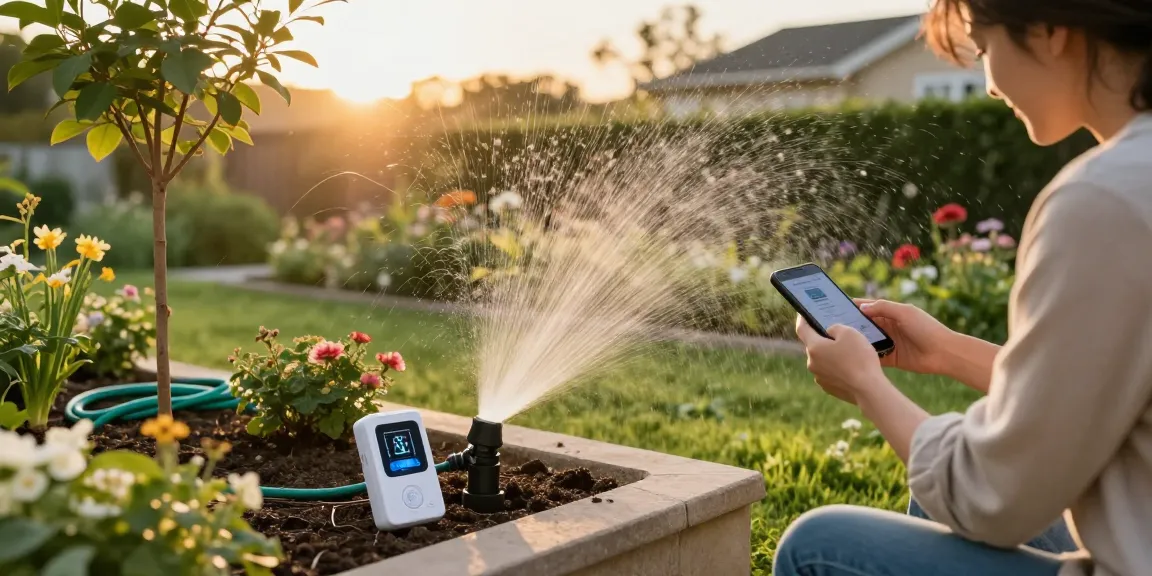
The Benefits of Using a Smart Sprinkler
As the global population grows and water scarcity becomes a pressing issue, optimizing water usage in gardening and landscaping has never been more critical. Enter the smart sprinkler, an innovative solution that not only conserves water but also enhances the health and vitality of your plants. Smart sprinklers are designed to make watering more efficient, allowing homeowners to maintain lush gardens without wasting precious resources.
How Smart Sprinklers Save Water Efficiently
Traditional sprinkler systems often operate on a timer, leading to overwatering, particularly during rainy days. Smart sprinklers utilize real-time data to adapt watering schedules based on current weather conditions. By using weather forecasts, these systems can skip watering when rain is expected, effectively reducing water waste. Additionally, features like soil moisture sensors inform users of the precise watering needs of their plants, leading to more efficient use of water.
For instance, recent advancements in smart irrigation technology allow these devices to monitor local weather conditions and soil moisture levels. If it’s been raining, the smart sprinkler will adjust its schedule accordingly, ensuring plants receive only the water they need. This intelligent management saves homeowners money and supports sustainable water use, making smart sprinklers a vital tool for eco-conscious gardening.
Improved Plant Growth and Health
Using a smart sprinkler can significantly improve the growth and health of your plants. Overwatering can lead to root rot and other detrimental conditions, while underwatering leaves plants stressed and unhealthy. A smart sprinkler can precisely control the amount of water your plants receive based on their specific requirements and the surrounding environment. With optimized watering schedules, plants can develop stronger root systems and exhibit heightened resistance to disease.
Moreover, smart sprinklers allow for targeted watering, meaning homeowners can set different schedules and levels of irrigation for various zones within their gardens. For example, a lawn may require more water than a bed of drought-resistant succulents. In doing so, they promote healthy plant growth while conserving water—a win-win for both gardeners and the environment.
Setting Up Your Smart Sprinkler System
Setting up a smart sprinkler system can seem daunting, but many brands, like RainPoint, offer user-friendly installation guides. Most systems will require you to connect the device to your home’s Wi-Fi and download a companion app. From there, you can customize your watering schedules based on your garden’s needs.
The initial setup typically involves placing soil sensors in various garden zones, programming the controller via the app, and connecting your sprinkler system. Once configured, the smart system takes over, allowing homeowners to enjoy a thriving garden with minimal maintenance. With wireless capabilities, you can even monitor and adjust your system remotely, ensuring your plants always receive optimal care.
Innovative Features of Modern Smart Sprinklers
Real-Time Soil Moisture Monitoring
One of the standout features of modern smart sprinklers is their ability to monitor soil moisture in real time. This technology provides accurate readings that inform the sprinkler’s operation, ensuring that plants receive the right amount of water at the right time. Such monitoring not only prevents overwatering but also eliminates the guesswork often associated with traditional watering methods.
These moisture sensors are strategically placed throughout your garden to collect data, which is then analyzed by the smart sprinkler system. Homeowners can set preferences based on plant species, soil types, and specific site conditions. With advanced systems, users can even receive alerts when soil moisture levels drop below a certain threshold, prompting timely watering.
Weather-Responsive Watering Schedules
Smart sprinklers excel at adapting to weather conditions. Through advanced algorithms, these devices can assess local forecasts, adjust watering schedules accordingly, and even temporarily suspend watering if precipitation is anticipated. This adaptability not only conserves water resources but also fosters healthier plant development.
Additionally, some smart sprinklers utilize historical weather data to refine their watering patterns further. For instance, if a particular zone in your garden consistently requires more or less water, the system can learn and adjust its schedules to cater to those needs, ensuring optimal plant health year-round.
Customizable User Settings in Mobile Apps
Customization is key in maximizing the benefits of a smart sprinkler system. Most modern systems come equipped with mobile apps that provide users with the ability to tailor their watering programs. From adjusting schedules to viewing real-time data on water usage, these apps empower homeowners to take control of their irrigation systems with a few taps on their smartphones.
Beyond basic scheduling, these apps often include features such as weather alerts, water usage tracking, and reminders for maintenance. Some even allow users to control multiple zones from one interface, making management straightforward and intuitive.
Challenges in Implementing Smart Sprinkler Systems
Common Setup Issues and Solutions
While the advantages of smart sprinkler systems are clear, potential users may encounter challenges during the setup process. Common issues include Wi-Fi connectivity problems, improper placement of soil sensors, and misunderstanding app functionalities. However, most user manuals and online support resources address these typical hurdles effectively.
For example, ensuring your Wi-Fi signal reaches the areas where your smart sprinkler operates is crucial. Users can extend their network using repeaters if necessary, or position the controller closer to the main router. Additionally, following installation videos or guides provided by manufacturers can significantly reduce setup time and frustration.
Understanding Wi-Fi Connectivity for Smart Devices
Wi-Fi connectivity is essential for most smart sprinklers, as they rely on internet access to function optimally. Users should ensure their home networks are secure and robust enough to support multiple smart devices. Understanding bandwidth capabilities and optimizing routers can enhance performance, preventing connectivity issues that can disrupt irrigation schedules.
Moreover, many models now offer the option to connect via a local network without the internet. This feature ensures that if internet access is lost, watering can still occur, maintaining plant health regardless of connectivity status.
Managing Multiple Zones in Your Garden
Managing multiple zones can be one of the more complex aspects of using a smart sprinkler system. Each zone may have different watering needs based on plant types, sunlight exposure, and soil conditions. Thankfully, most smart systems allow for individual zone programming, giving users the freedom to customize schedules according to varying requirements.
To effectively manage multiple zones, homeowners should map out their garden and document the specific needs of each area. By utilizing the app’s features, adjustments can be made quickly, ensuring each zone receives the appropriate amount of water. With careful planning and configuration, managing a multi-zone garden can lead to healthier plants and optimized water use.
Real-World Applications of Smart Sprinklers
Innovative Case Studies from Homeowners
Homeowners across the country have successfully integrated smart sprinkler systems into their gardening routines, experiencing remarkable results. For example, one family in California transformed their sprawling backyard with a smart sprinkler system, drastically reducing water waste while increasing the health of their ornamental and vegetable gardens.
This particular system incorporated several soil moisture sensors and a connected weather station, allowing for unparalleled efficiency. The family reported a 30% reduction in their water bill while enjoying robust plant growth—showcasing the practical benefits of adopting smart irrigation technology.
Commercial Use in Landscaping
The benefits of smart sprinkler systems extend beyond residential applications. Many commercial entities, including parks and golf courses, have begun utilizing smart irrigation solutions to manage their landscapes effectively. These systems not only save water but help maintain aesthetically pleasing environments without compromising environmental sustainability.
For instance, municipalities are increasingly implementing smart irrigation systems in public parks to optimize their water usage. By utilizing real-time data, these systems ensure that public green spaces remain vibrant while minimizing waste, contributing to city-wide conservation efforts.
Environmental Impact and Sustainability
The environmental benefits of smart sprinklers cannot be overstated. By conserving water, these systems play a significant role in promoting sustainability and combating drought conditions. Additionally, by preventing overwatering, they help protect local ecosystems, promoting healthier soil and flora.
As more homeowners and businesses adopt smart irrigation technologies, the collective impact on water conservation efforts will grow, contributing to a healthier planet for future generations. Sustainable practices like these not only help combat climate change but also promote community awareness about responsible water usage.
Future Trends for Smart Sprinkler Technology in 2026
Integration with Smart Home Systems
The rise of the smart home continues to influence the gardening sector. By 2026, it is expected that smart sprinklers will integrate even more seamlessly with other smart home devices. This integration will allow for advanced automation, where your household’s energy management system can adjust watering schedules based on energy consumption patterns or weather forecasts.
For instance, if your smart thermostat detects that it’s cooling your home more than necessary during the day, it can signal the smart sprinkler to temporarily halt watering, prioritizing energy savings while ensuring that plants are still cared for effectively.
Advancements in Sensor Technology
As technology evolves, so will the capabilities of smart sprinklers. Future advancements may include enhanced sensors that provide even more detailed feedback about soil health, plant needs, and environmental conditions. Features like root zone monitoring could allow homeowners to optimize watering at a level previously not attainable.
Additionally, the development of AI-driven algorithms may lead to predictive watering schedules, where systems learn from past data to project the best times and amounts for optimal irrigation. This ongoing innovation will continue to enhance the efficiency and effectiveness of smart sprinkler systems.
Predictions for Eco-friendly Water Management
In the coming years, eco-friendly practices will become central to gardening and landscaping. Smart sprinklers will become more sophisticated in their water management capabilities, promoting sustainable ecosystems and reducing the carbon footprint associated with traditional irrigation methods.
As public awareness of water conservation issues continues to grow, customers will increasingly demand technology that aligns with these values. Thus, manufacturers will innovate solutions that reduce waste while supporting healthy plant growth, contributing to a greener future.
What are the advantages of smart sprinklers?
Smart sprinklers offer numerous advantages, including significant water savings, improved plant health due to precise watering, customizable schedules, and ease of use through mobile apps. These features together create a highly efficient irrigation system that is also environmentally friendly.
How do smart sprinklers save water compared to traditional systems?
Smart sprinklers utilize real-time data to adjust watering schedules based on weather conditions and soil moisture levels. This adaptability helps reduce water waste significantly compared to traditional systems that operate solely on timers.
Can smart sprinklers be integrated with home automation systems?
Yes, many smart sprinklers can integrate with home automation systems, allowing for advanced control and monitoring. This integration enables users to synchronize their irrigation schedules with other smart devices in their homes.
What features should I look for in a smart sprinkler?
When choosing a smart sprinkler, look for features like soil moisture sensors, weather responsiveness, customizable schedules, and a user-friendly mobile app. These elements will enhance the efficiency of your watering system.
Are smart sprinklers worth the investment for a small garden?
Absolutely! Smart sprinklers can optimize water usage and improve plant health, making them a worthwhile investment even for small gardens. The long-term savings and benefits on water bills and plant vitality often outweigh the initial costs.


