Understanding Astaxanthin for Anti Aging
In the quest for youthful skin and overall vitality, many individuals are turning to natural antioxidant sources. Among these, astaxanthin is gaining significant attention for its potential anti-aging benefits. This powerful carotenoid, often found in algae and seafood, is not only praised for its vibrant reddish hue but also for its profound impact on skin health. As we explore the properties and applications of astaxanthin, you will discover why it is becoming a staple in the beauty and wellness industry, particularly regarding astaxanthin for anti aging.
What is Astaxanthin?
Astaxanthin is a potent carotenoid pigment produced by microalgae, particularly Haematococcus pluvialis. It acts as a natural sunscreen for these organisms, providing protection from UV radiation and oxidative stress. Astaxanthin is responsible for the red and pink coloration of various marine animals, including salmon, shrimp, and flamingos. As a fat-soluble antioxidant, astaxanthin is unique as it can cross biological membranes, allowing it to exert protective effects in various tissues throughout the body.
The Science Behind Astaxanthin
Scientists have been intrigued by astaxanthin due to its exceptional antioxidant activity, which is reported to be 6000 times stronger than vitamin C and 800 times more potent than coenzyme Q10. Its unique molecular structure enables it to neutralize free radicals while also reducing inflammation and enhancing immune response. This makes astaxanthin particularly relevant in the context of aging, where oxidative stress compounds the natural degradation of cellular structures, leading to visible signs of aging.
Astaxanthin vs Other Antioxidants
While many antioxidants are beneficial for health, astaxanthin stands out due to its distinct mechanisms of action. Unlike other antioxidants, such as vitamin E or vitamin C, astaxanthin can protect cellular membranes from oxidative damage by embedding itself in the lipid bilayer. This provides a dual-action mechanism, offering protection from both inside and outside the cell. When compared to other antioxidants, astaxanthin shows superior effects in fighting inflammation and enhancing skin elasticity, making it a prime candidate for anti-aging products.
The Benefits of Astaxanthin for Anti Aging
Role in Skin Health
Astaxanthin's role in skin health is multifaceted. Due to its ability to combat oxidative stress and inflammation, studies have shown that astaxanthin can diminish the appearance of fine lines, improve skin elasticity, and enhance moisture retention. Clinical trials indicate that participants using astaxanthin supplements saw marked improvements in skin texture and overall complexion, likely attributed to its capacity to promote collagen synthesis and reduce UV-induced damage. As such, it is becoming an essential ingredient in many skincare formulations aimed at anti-aging.
Astaxanthin's Impact on Cell Regeneration
Research suggests that astaxanthin can significantly influence cell regeneration processes due to its antioxidant properties. By mitigating oxidative damage to skin cells, astaxanthin fosters a healthier environment for skin repair and renewal. This is particularly important for aging skin, which naturally undergoes slower regeneration. Moreover, astaxanthin has been shown to enhance the proliferation of fibroblasts, the cells responsible for collagen production, thereby aiding in maintaining skin’s firmness and youthful appearance.
Research & Studies on Anti Aging Effects
Numerous studies underline astaxanthin’s efficacy in supporting skin health and combating signs of aging. One significant study demonstrated that participants consuming astaxanthin experienced a remarkable reduction in wrinkles and age spots after a certain period. Another research trial revealed its benefits in improving skin hydration and elasticity among older adults, signifying the potential for astaxanthin to serve as a staple in aging-related skin treatments. These studies emphasize the importance of further exploration into astaxanthin's long-term anti-aging benefits.
How to Incorporate Astaxanthin in Your Routine
Recommended Dosage
The ideal dosage of astaxanthin can vary based on health goals, age, and individual health conditions. For anti-aging purposes, research commonly supports a dosage ranging from 4 to 12 mg per day. Consulting with a healthcare professional can provide personalized recommendations, particularly when combined with other supplements or medications. Adopting this vitamin-rich carotenoid can lead to noticeable improvements in skin quality and overall health.
Best Forms of Astaxanthin
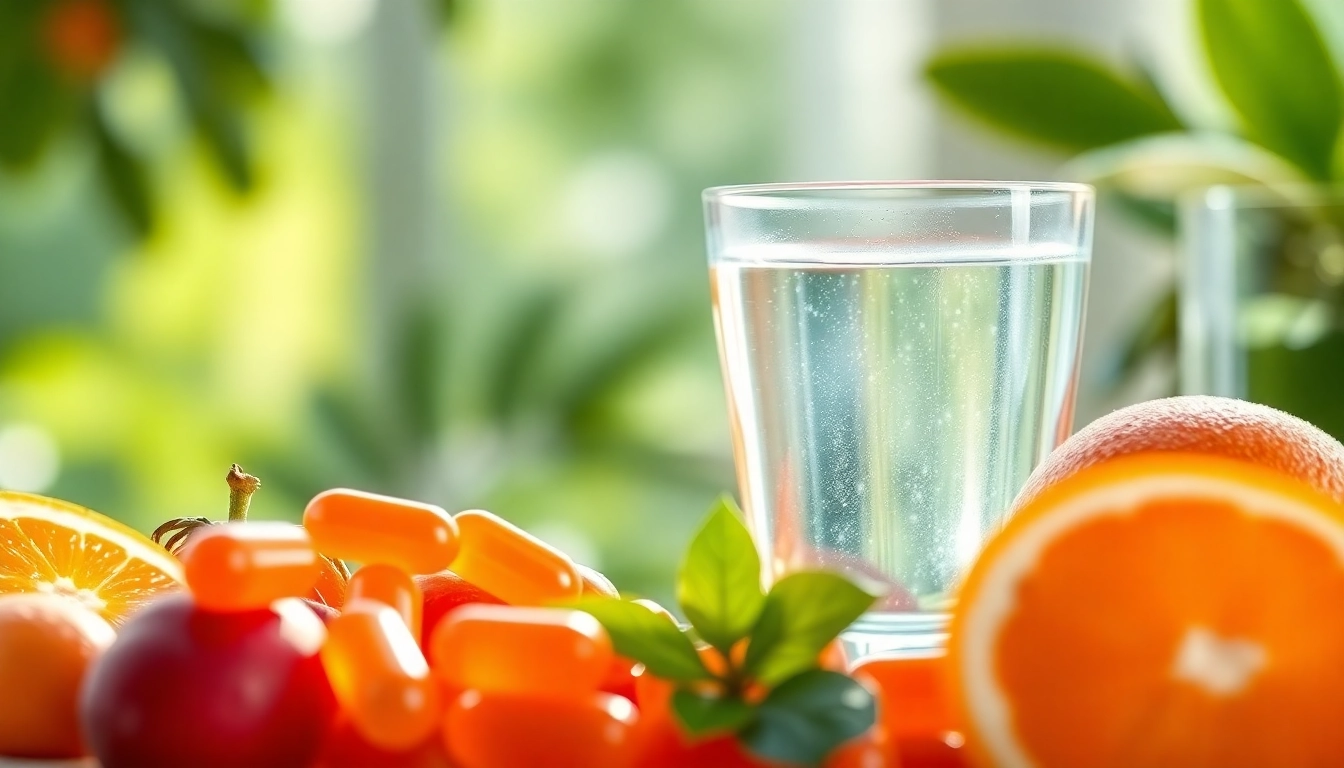
Astaxanthin is available in several forms, including soft gels, capsules, and powdered supplements. The most common and preferred formats are soft gels and capsules, as they enhance absorption due to their fat-soluble nature. However, astaxanthin derived from natural sources, such as algae, is often deemed more beneficial compared to synthetic alternatives. When selecting astaxanthin supplements, choose products labeled as "natural" or derived from Haematococcus pluvialis for optimal quality and efficacy.
Tips for Choosing Quality Supplements
Quality matters significantly when choosing astaxanthin supplements. Always consider the source of astaxanthin, gravitating towards reputable brands that provide transparency about their sourcing and manufacturing processes. Look for third-party testing, certifications, and clear labeling on dosages to ensure that you are purchasing a safe and effective product. Additionally, choosing products that include synergistic ingredients, such as omega-3 fatty acids, can enhance the overall effect of astaxanthin.
Complementary Anti Aging Practices
Nutrition and Lifestyle Tips
A holistic approach to anti-aging incorporates astaxanthin with a balanced diet and a healthy lifestyle. Consuming a diet rich in colorful fruits and vegetables, healthy fats, whole grains, and lean proteins can enhance antioxidant intake and support skin health. Moreover, practices like staying hydrated, exercising regularly, managing stress through mindfulness or yoga, and ensuring adequate sleep can synergistically enhance the effects of astaxanthin and contribute to a more youthful appearance.
Skincare Routine Enhancements
Incorporating astaxanthin into skincare regimens can further amplify its benefits. Look for topical products that contain astaxanthin, such as serums and creams, to provide targeted antioxidant benefits directly to the skin. Along with astaxanthin, consider layering products with other known anti-aging ingredients like hyaluronic acid, retinol, and peptides for an optimized skincare approach. Always prioritize sun protection as UV exposure can negate the positive effects of antioxidants.
Other Natural Anti Aging Solutions
Beyond astaxanthin, several natural ingredients offer anti-aging properties. These include resveratrol, found in red grapes; curcumin, present in turmeric; and coenzyme Q10, which supports cellular energy production. Additionally, adaptogens like ashwagandha and rhodiola can help the body manage stress, indirectly influencing the aging process. Combining multiple natural compounds can create a comprehensive strategy for combating the effects of aging, promoting overall skin vitality.
FAQs About Astaxanthin for Anti Aging
What is the recommended dosage of astaxanthin for anti aging?
The common recommended dosage for anti-aging is between 4 to 12 mg daily, depending on individual health and goals. Consulting a healthcare professional is advised for personalized recommendations.
Can astaxanthin cause any side effects?
Astaxanthin is generally considered safe with minimal side effects. Some individuals may experience stomach upset, while allergic reactions are rare. Consulting a healthcare professional is recommended if concerns arise.
How long does it take to see effects from astaxanthin?
Visible improvements from astaxanthin supplementation can typically be noticed within 4 to 12 weeks of consistent use, depending on dosage and individual response.
Is astaxanthin suitable for all skin types?
Astaxanthin is suitable for all skin types, including sensitive skin. Its anti-inflammatory properties can benefit various skin conditions; however, individual reactions may vary.
Can I combine astaxanthin with other supplements?
Yes, astaxanthin can be safely combined with other supplements, including vitamins C and E, omega-3 fatty acids, and collagen. It's important to discuss combinations with a healthcare provider for optimal benefits.