Understanding the Basics of Rainpoint Automatic Watering Systems
The modern gardening landscape is continuously evolving, with advancements in technology reshaping how we nurture our plants and gardens. Among these innovations is the rainpoint automatic watering system, a game changer for enthusiasts and professionals alike. These systems automate the process of watering plants, providing convenience and precision that can significantly enhance garden health. In this section, we'll delve into the fundamentals of RainPoint automatic watering systems, exploring what they are, their benefits, and how they can improve water efficiency in your gardening endeavors.
What is a Rainpoint Automatic Watering System?
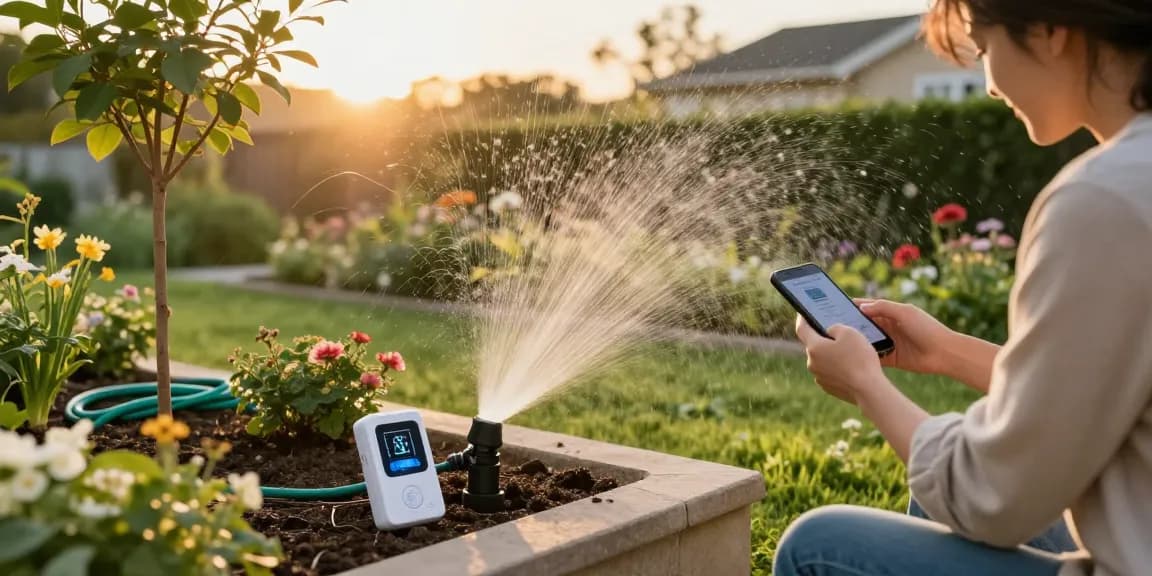
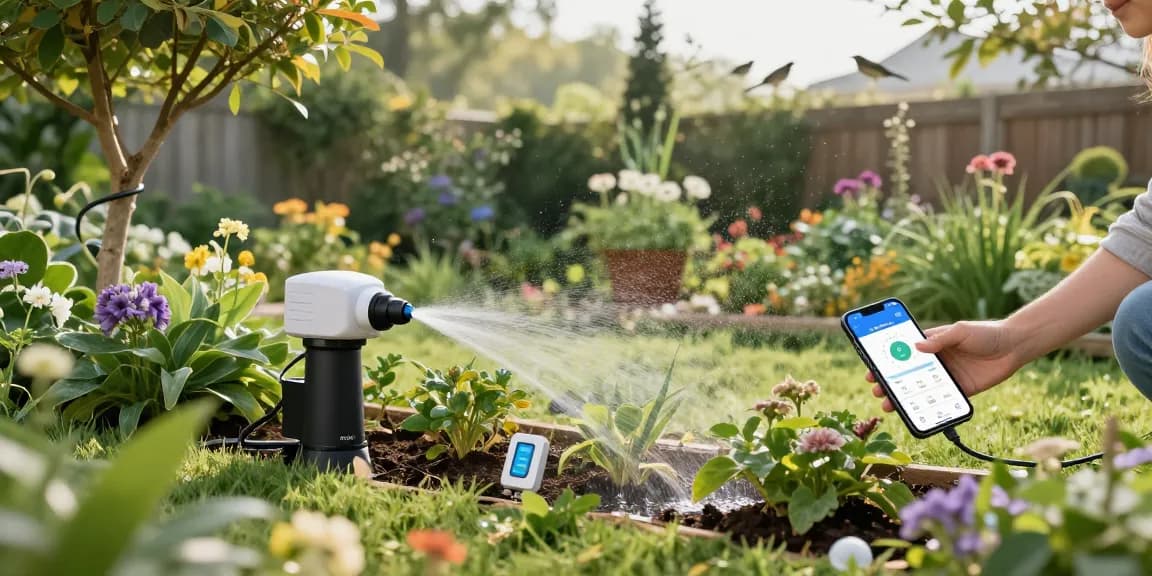
A RainPoint automatic watering system consists of smart irrigation tools designed to deliver the right amount of water to your plants based on their specific needs. This system can include a variety of components such as timers, soil moisture sensors, and controllers that integrate with Wi-Fi, allowing for remote management through a smartphone app. By automating the watering process, these systems take the guesswork out of plant care, ensuring that your greenery thrives even when you're not around.
Benefits of Using an Automatic Watering System
The adoption of an automatic watering system offers numerous advantages for both casual gardeners and serious horticulturists:
- Water Conservation: Automatic systems are equipped with sensors that detect soil moisture levels, ensuring that water is only used when necessary. This can lead to significant reductions in water waste.
- Time Savings: With a reliable automatic system in place, gardeners can spend less time on manual watering and more time enjoying their gardens.
- Plant Health: Consistent watering schedules promote healthier plants by preventing over or under-watering. This is particularly beneficial for delicate plants that require specific moisture levels.
- Convenience: Many modern systems can be controlled via apps, allowing users to monitor and adjust watering schedules from anywhere, even while traveling.
How Rainpoint Systems Improve Water Efficiency
One of the standout features of RainPoint systems is their focus on efficiency. Through advanced technology, these systems analyze environmental conditions, modifying watering schedules based on factors such as rainfall or temperature changes. This not only conserves water but also optimizes the health and growth of your plants. For instance, a RainPoint system might adjust the watering frequency after heavy rain, preventing soggy soil conditions that can harm plant roots.
Key Features to Consider When Choosing a Rainpoint System
When selecting a RainPoint automatic watering system, several key features should be considered to ensure that you choose the best solution for your gardening needs:
Smart Connectivity and App Integration
One of the most significant advantages of modern watering systems is their ability to connect to the internet. Systems that feature smart connectivity allow users to manage their irrigation schedules remotely via a mobile app. This level of integration provides real-time monitoring and control, giving users insights into moisture levels and plant health.
Adjustability for Different Plant Types and Locations
Different plants have varying watering needs, and a good RainPoint system will allow for customization based on specific plant types and their growing environments. Look for systems that enable you to set unique schedules for different zones in your garden or indoor plants, addressing their individual requirements effectively.
Soil Moisture Sensors for Optimal Watering
Soil moisture sensors are a critical component of any efficient watering system. They gauge the moisture level in the soil, providing data to the system to prevent over-watering. This feature ensures that plants receive water only when it is needed, promoting healthier growth and reducing water waste.
Installation and Setup for Maximum Efficiency
Setting up an automatic watering system can seem daunting, but with the right guidance, it can be straightforward and rewarding. Here’s how to install your RainPoint system effectively:
Step-by-Step Guide to Installing Your Rainpoint System
- Select the Location: Identify the areas of your garden or home where the system will be installed, considering factors such as sunlight and plant types.
- Gather Your Equipment: Ensure you have all necessary components, including hoses, timers, and soil sensors.
- Install the Main Timer: Follow the manufacturer’s instructions to connect your main watering timer to the water source and set it up according to your garden layout.
- Position Soil Sensors: Place soil sensors strategically in various locations to accurately monitor moisture levels throughout your garden.
- Configure Settings: Using the app or control panel, program your watering schedules based on the specific needs of your plants.
Common Challenges During Installation and Solutions
While installing your RainPoint system, you may encounter common challenges such as connectivity issues or incorrect sensor readings. Here are some solutions:
- Connectivity Issues: Ensure your Wi-Fi signal is strong in your garden area. If necessary, consider using a Wi-Fi extender.
- Incorrect Sensor Readings: Double-check the placement of your soil sensors and make sure they are not placed near other moisture sources that might skew data.
Configuring Your System for Unique Garden Needs
Every garden is unique, and configuring your RainPoint system to meet your specific needs is crucial. Take the time to assess the following:
- Identify different plant groups and their watering requirements.
- Consider the layout of your garden; different areas may require different watering schedules.
- Regularly review and update your settings based on seasonal changes or plant growth stages.
Real-World Applications and User Experiences
Understanding how others have benefited from RainPoint systems can provide valuable insights. Here we explore customer experiences and address common misconceptions:
Customer Testimonials and Success Stories
Many users have shared their positive experiences with RainPoint systems. For instance, a customer with a sprawling garden of 27 trees reported significant improvements in plant health and reduced water consumption after implementing the RainPoint 2 Zone Wifi Water Timer. They noted how easy it was to set up and configure the system to water multiple zones effectively.
Common Misconceptions About Automatic Watering Systems
Despite their benefits, some misconceptions persist about automatic watering systems. One common myth is that these systems are only for large gardens or farms. In reality, they are versatile enough to benefit residential gardens of all sizes, including indoor plant arrangements. Additionally, some believe that automatic systems require constant monitoring; however, once set up, they operate largely autonomously.
Case Study: Transforming a Garden with Rainpoint
Consider a homeowner who transformed their struggling vegetable garden into a thriving ecosystem by integrating a RainPoint system. By utilizing soil moisture sensors and scheduling targeted watering times, they were able to maximize growth while minimizing water usage. Their commitment to sustainability and efficient gardening practices led to bountiful harvests and a significant reduction in utility bills.
Future Trends in Automatic Watering Technology
The future of automatic watering systems is bright, with many promising trends on the horizon. Here’s what to expect in the coming years:
Innovations to Expect in 2026 and Beyond
As technology evolves, we can anticipate more advanced features such as AI-driven analytics to help gardeners make informed watering decisions. Innovations may include improved sensor accuracy, better app interfaces, and integration with smart home devices for comprehensive environmental control.
Integrating Sustainability with Technology in Gardening
The shift towards more sustainable gardening practices is driving innovation in automatic watering systems. Future products will likely incorporate renewable energy sources, such as solar-powered timers, and use data from weather forecasts to optimize watering schedules, thus minimizing resource waste.
The Role of IoT in Smart Irrigation Solutions
The Internet of Things (IoT) is set to play a crucial role in the evolution of irrigation solutions. Enhanced connectivity will allow for real-time monitoring of soil conditions and remote adjustments, leading to more efficient water use and healthier gardens.
What Maintenance Does Your Rainpoint System Require?
Regular maintenance is vital to ensure the longevity and efficiency of your RainPoint system. Here are some key practices:
- Periodically clean the sensors and hoses to prevent clogging.
- Check for any leaks or damage in the system routinely.
- Update the software regularly to benefit from the latest features and improvements.
How to Troubleshoot Your Rainpoint Watering System?
If you encounter issues with your RainPoint system, troubleshoot by following these steps:
- Verify power connections and water supply.
- Ensure that all components are functioning correctly, including timers and sensors.
- Refer to the user manual for specific troubleshooting advice related to your model.
Are Rainpoint Systems Worth the Investment?
Investing in a RainPoint automatic watering system can be well worth it for both novice and experienced gardeners. The combination of water conservation, time savings, and improved plant health makes it a valuable addition to any gardening toolkit. With the right setup and maintenance, these systems can lead to flourishing gardens and significantly lower water bills.