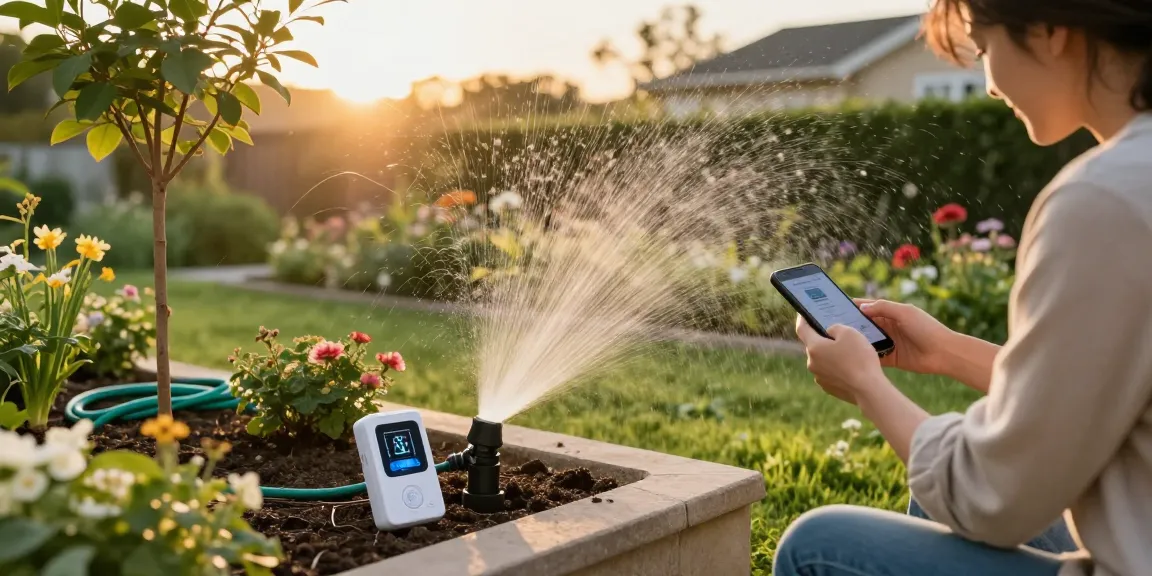
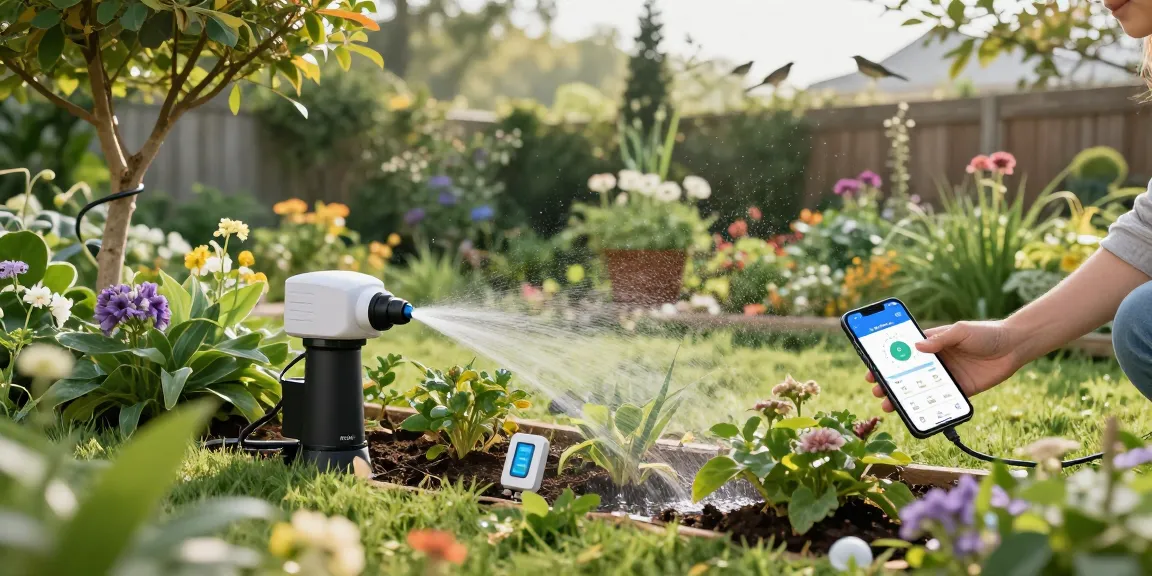
When Claire noticed patchy brown rings forming on her suburban Kentucky lawn after several hot weeks, she first blamed the dog. Then she realized her automatic sprinkler was running every morning for 10 minutes—and that was the same schedule her neighbor used on a smaller, sandy yard. Claire needed a tailored plan that matched her clay soil and mature fescue, not a one-size-fits-all routine. This article matches common lawn problems to the right watering approach so you can learn how often to water your lawn for best results without wasting time or money.
Understanding the watering challenge: soil, grass type, and neighborhood limits
Problem: Two yards side-by-side on the same street can need very different water volumes. Clay holds water longer but drains slowly; sandy soil dries fast. Cool-season grasses (tall fescue, Kentucky bluegrass) have different peak water needs than warm-season grasses (zoysia, Bermuda). Also consider local watering restrictions—many U.S. cities limit irrigation to specific days.
Solution: Match schedule to the site
Start by measuring how much water your system puts down in 15 minutes (use empty tuna cans across the lawn and average the depth). For a typical cool-season lawn in clay soil, aim for about 1 to 1.25 inches of water per week during the growing season, delivered in 1–2 deep soakings to encourage root growth. For sandy soils, increase frequency but keep soak time short to avoid runoff.
A WiFi timer such as the RainPoint model lets you set differentiated zones so heavy clay areas get fewer, longer cycles while sandy or newly seeded spots receive shorter, more frequent runs. If you want step-by-step guidance for cycle-and-soak timing tailored to your soil, check this page to learn how often to water your lawn for best results.
Small lawn, compact schedule: easy fixes that save water
Problem: A 1/4-acre front yard with mixed sun and shade, shallow-rooted rye, and a simple above-ground sprinkler on a timer keeps looking soggy in the low spots.
Solution: Use short, targeted runs and mobile sprinklers
For small lawns, targeted coverage beats blasting the whole yard. Rotate a mobile sprinkler to match zones: 20–30 minutes twice a week may be plenty for cool-season grasses in moderate climates, but reduce time in shaded areas. The goal is one deep soak per week for cool-season turf (about 1 inch) rather than daily shallow sprinklings that promote shallow roots.
Example: Marcus in Portland replaced his fixed pop-up heads with a lightweight mobile sprinkler and dropped his water use by nearly 30% while fixing puddling near the driveway. He programmed the mobile unit to run in the morning two days a week and used timers to avoid watering during a forecasted storm.
- Small lawn tip: Water in the early morning (4–9 AM) to reduce evaporation.
- Runoff control: If water runs off, split the cycle into two or three segments spaced 30–60 minutes apart (cycle-and-soak).
- Measure: Use a rain gauge or cans to confirm you're delivering roughly 1 inch total per week for cool-season turf.
Large lawns and smart in-ground systems: efficiency at scale
Problem: A half-acre lawn with multiple microclimates—sunny south slope, shady north side—and separate irrigation zones wastes water when all zones run the same program.
Solution: Smart controllers and zoning
Large properties benefit most from zoned irrigation and weather-responsive controllers. Smart irrigation systems use soil moisture data, local weather, and evapotranspiration (ET) adjustments to skip watering after rain and reduce runtime during cool spells. According to the EPA, smart irrigation controllers can save up to 8–20% of outdoor water use compared with conventional timers; some savings estimates go higher depending on the system and site. A WiFi-enabled controller from RainPoint can automatically adjust schedules by zone so the shady north slope only runs half as long as the sun-baked south slope.
Example: The Martinez family in Arizona cut their summer irrigation hours by 35% after installing a smart controller and separate zones for slope, lawn, and ornamental trees. The controller reduced overwatering during periods of high humidity and skipped runs after monsoon storms.
Yard sizeSuggested approachWeekly target (cool-season)Small (<0.25 acre)Mobile sprinklers or single zone~1 inch, 1–2 sessionsMedium (0.25–0.75 acre)Multiple zones, fixed heads~1–1.25 inches, split sessionsLarge (>0.75 acre)Smart controllers, soil sensors1–1.25 inches, zone-based
Vegetable gardens, flower beds, and potted plants: precision matters
Problem: Your vegetable garden wilts in midday even though sprinklers run every other day for the lawn. Flowers at the bed edge show stress while turf looks fine.
Solution: Use the right tool for each planting
Vegetable beds need steady, deep moisture at the root zone. Drip irrigation or soaker hoses deliver water directly to roots, reducing evaporation and foliar disease. For raised beds, a 20–30 minute drip run 2–3 times a week in hot weather may be sufficient. Flower beds that prefer consistent moisture—like salvias or geraniums—do best with low-pressure soaker lines buried under 1–2 inches of mulch to hold water where roots need it.
Example: Lena in North Carolina replaced an over-spraying lawn head that soaked her tomato bed with a simple drip kit. Her tomato yields jumped and water usage dropped by nearly 40% during the peak season.
- Vegetable garden: drip emitters at 0.5–1.0 GPH placed near root zones.
- Flower beds: soaker hoses under mulch, run for 30–45 minutes every 2–4 days depending on heat.
- Potted plants: slow-release self-watering stakes or a micro-drip system that runs for short cycles daily in hot weather.
For potted plants on a sunny deck, consider self-watering containers or a simple micro-tubing setup that delivers a slow trickle. These systems keep the root zone moist without constant attention and reduce the risk of overwatering—an easy add-on to a household controller.
Fixing common mistakes: overwatering, timing, and seasonal shifts
Problem: You’re watering the same amount year-round out of habit, or you run sprinklers mid-day because "that’s when I’m home." Lawns show moss, shallow roots, and disease patches instead of resilience.
Solution: Adjust frequency by season and observe, don’t assume
Common mistake: frequent shallow watering. That encourages surface roots. Aim for deep, infrequent irrigation—so roots grow down. In spring and fall reduce weekly targets; during hot droughts you may need slightly more in late summer for warm-season turf. Use a soil probe or screwdriver to test moisture a few inches below the surface—if it’s moist 4–6 inches down, skip a cycle.
Example: A homeowner in Ohio cut watering days from three to one per week for their bluegrass and saw stronger turf and lower fungal issues. They used a simple RainPoint zone controller to pause runs when rain had soaked the soil, avoiding wasted cycles during spring storms.
EPA research shows that proper irrigation scheduling and efficient equipment—including smart controllers—can significantly reduce outdoor water use; see the EPA WaterSense program for more details.