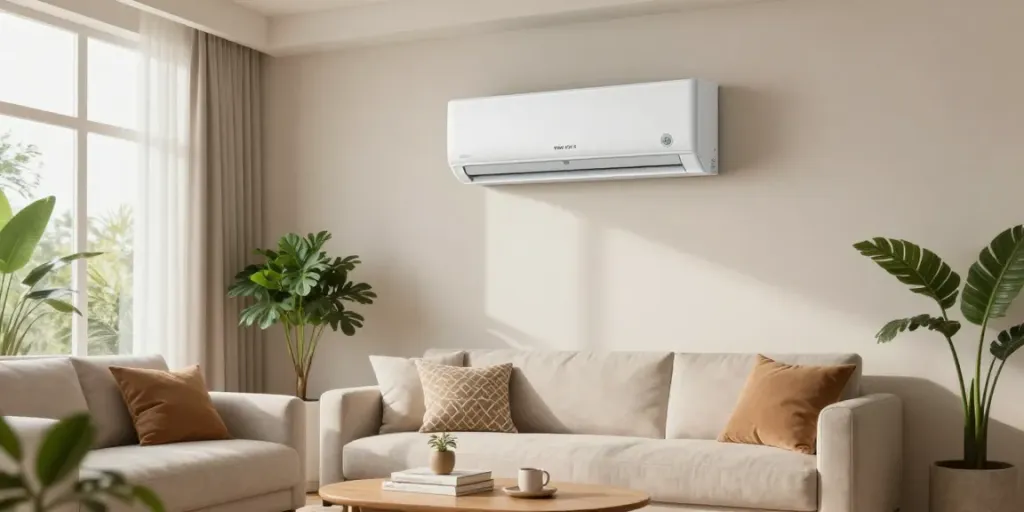
Understanding the Basics of 18k BTU Mini Splits
Mini split systems have revolutionized the way we approach heating and cooling in residential and commercial spaces. With their compact design and efficient operation, the 18k btu mini split has become a popular choice for many homeowners looking to maintain comfortable indoor climates without the bulk of traditional HVAC units. This article will delve into the critical aspects of these systems to help you understand their functionality, benefits, and practical considerations.
What is an 18k BTU Mini Split?
An 18k BTU mini split is a type of ductless heating and cooling system that provides efficient temperature control in spaces ranging from 550 to 1,000 square feet. It consists of two main components: an indoor unit that distributes air and an outdoor unit that houses the compressor and condenser. This separation allows for effective cooling and heating without the need for extensive ductwork, making it ideal for both new constructions and retrofits.
How Does an 18k BTU Mini Split Work?
Mini splits operate on the principle of heat exchange. In cooling mode, the indoor unit absorbs heat from the room and transfers it to the outdoor unit. Conversely, in heating mode, the system reverses this process, extracting heat from the outside air and delivering it indoors. This dual functionality enhances its versatility, making it suitable for year-round climate control.
Benefits of Using an 18k BTU Mini Split System
- Energy Efficiency: Mini splits are known for their energy-efficient operation, often achieving SEER ratings of 20 or higher. This results in lower energy bills compared to conventional HVAC systems.
- Flexible Sizing: With various indoor unit options, you can customize the installation to fit specific spaces, providing targeted cooling or heating where it's needed most.
- Easy Installation: The absence of ductwork simplifies the installation process, which can often be completed in a matter of hours.
- Low Noise Levels: Mini split systems operate quietly, making them suitable for bedrooms, offices, and other noise-sensitive areas.
Choosing the Right Size for Your Space
Determining the appropriate size for your mini split system is essential for optimal performance. An improperly sized unit can lead to inefficiencies and inadequate climate control.
How Much Square Footage Does an 18k BTU Mini Split Cover?
An 18,000 BTU mini split is generally recommended for spaces of up to 1,000 square feet. However, various factors such as ceiling height, insulation quality, and geographical location can influence this standard. Knowing your specific needs will help tailor the installation to your environment.
Factors to Consider in Sizing Your Mini Split
- Room Size: Measure the square footage of the area you intend to cool or heat.
- Insulation: Well-insulated spaces retain temperature better, potentially allowing for a smaller unit.
- Sunlight Exposure: Rooms that receive direct sunlight may require additional capacity to compensate for heat gain.
- Occupancy Levels: High occupancy can generate additional heat, necessitating a larger unit.
Common Sizing Misconceptions and Solutions
One common misconception is that larger units provide better performance. In reality, units that are too large can cycle on and off frequently, reducing efficiency and increasing wear and tear. The key is to achieve a balance that meets your space's needs while maintaining energy efficiency.
Installation Best Practices for Optimal Performance
Proper installation plays a critical role in the effective operation of your 18k BTU mini split system. Whether you choose to DIY or hire professionals, understanding the basics can ensure superior performance.
DIY vs. Professional Installation: What You Need to Know
While many homeowners may consider installing a mini split themselves, it’s important to assess your skill level and the complexity of the system. Professional installation guarantees compliance with local codes and optimal placement of units for maximum efficiency.
Key Installation Tips for an 18k BTU Mini Split
- Locate the Indoor Unit: Position the indoor unit in a space that allows for even air distribution.
- Ensure Proper Drainage: The outdoor unit should be installed on a level surface with adequate drainage to prevent water accumulation.
- Insulate Refrigerant Lines: Proper insulation of refrigerant lines minimizes energy loss and maximizes system efficiency.
How to Avoid Common Installation Pitfalls
One common mistake is neglecting to read the installation manual. Following manufacturer guidelines ensures that the system operates as intended. Additionally, ensuring that no obstructions block airflow is crucial for maintaining efficiency and performance.
Maintenance and Care for Longevity
Regular maintenance is essential for keeping your mini split system running efficiently and extending its lifespan. Implementing a routine maintenance schedule can prevent costly repairs in the long run.
Regular Maintenance Tasks for 18k BTU Mini Splits
- Clean the Filters: Dirty filters can impede airflow and efficiency, so clean or replace them every month during peak usage seasons.
- Inspect the Outdoor Unit: Remove debris and ensure the outdoor unit's fins are clean to allow for optimal airflow.
- Check Refrigerant Levels: Low refrigerant levels can indicate leaks; regular checks can help maintain efficiency.
Signs Your Mini Split Needs Professional Attention
Be alert for unusual sounds, inconsistent temperatures, or increased electricity bills, as these may indicate that your mini split requires professional servicing.
Energy Efficiency Tips for Your Mini Split System
- Set and Forget: Use programmable thermostats to optimize settings according to your schedule.
- Seal Leaks: Ensure windows and doors are sealed to prevent cool air from escaping or warm air from entering.
- Utilize Ceiling Fans: Ceiling fans can help distribute conditioned air more evenly throughout your space.
Future Trends in Mini Split Technology
The mini split market is continually evolving, with advancements aimed at increasing efficiency and enhancing user experience. Staying informed about the latest trends can help you make better purchasing and maintenance decisions.
Innovations to Expect in 2026 and Beyond
As technology advances, we can expect mini split systems to become even more efficient, possibly achieving SEER ratings above 30. Innovations such as variable speed compressors and advanced inverter technologies will further enhance performance.
How Smart Home Integration is Changing Mini Splits
Smart home technology is increasingly integrated into mini split systems, allowing users to control temperature settings remotely via smartphone apps. This added convenience can lead to improved energy management and personalized comfort settings.
Environmental Impact and Energy Consumption in Future Models
With growing concerns about climate change, manufacturers are focusing on reducing the environmental impact of mini splits. Expect future models to utilize eco-friendly refrigerants and materials that contribute to lower greenhouse gas emissions.
What to Watch: Emerging Technologies in Climate Control
Emerging technologies such as artificial intelligence (AI) and machine learning are expected to shape the future of climate control, allowing for adaptive systems that learn from user behavior and environmental conditions to optimize energy consumption.
Conclusion
Investing in an 18k BTU mini split system is a smart choice for those looking to enhance comfort while maximizing energy efficiency. By understanding the nuances of installation, maintenance, and future advancements, you can ensure that your investment serves you well for years to come. Whether you opt for DIY installation or hire a professional, being informed will empower you to make the best decisions for your specific needs.